

 17
Nov
17
Nov
Top 7 Tips For Fire Safety In The Workplace
- 0 Comment(s)
- November 17, 2025
Quick Summary
Workplace fires can spread quickly in commercial environments where electrical systems, equipment, storage materials, and daily operations create constant risks. Strong safety planning involves more than passing inspections. Employee training, equipment maintenance, organized storage practices, and dependable emergency procedures all help reduce the likelihood of injuries, downtime, and property damage.
Many businesses only think seriously about fire protection after an inspection, equipment failure, or emergency exposes a problem. In reality, fire safety in the workplace depends on consistent daily habits, organized maintenance practices, and employees who understand how to respond when something goes wrong.
Commercial buildings face a wide range of fire risks. Offices operate around overloaded electrical systems and server equipment. Warehouses deal with combustible storage materials. Restaurants manage grease vapors and open flames. Manufacturing facilities operate around machinery, welding equipment, and heat-producing systems.
Even small oversights can create larger problems when fire prevention is treated as an afterthought instead of part of routine operations.
Keep Fire Extinguishers Properly Maintained
A fire extinguisher only helps when it works properly during an emergency. Unfortunately, many commercial extinguishers receive little attention between annual inspections.
Pressure loss, corrosion, blocked access points, and damaged hoses can all affect extinguisher reliability over time. In busy work environments, extinguishers may also become hidden behind inventory, equipment, or storage materials without employees noticing.
Businesses should maintain regular inspection schedules while also encouraging employees to report visible problems immediately.
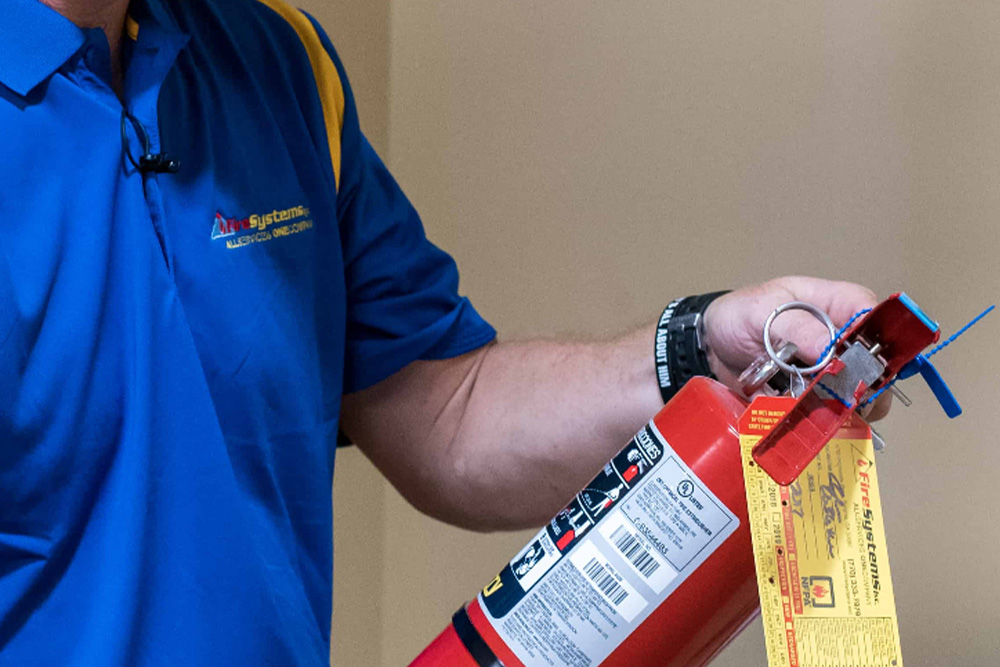
Professional commercial fire extinguisher service typically includes:
- Pressure verification
- Seal and pin inspections
- Hose condition checks
- Recharge service when required
- Documentation updates
Businesses that stay proactive with maintenance usually experience fewer compliance problems and less equipment replacement later.
Do Not Ignore Electrical Warning Signs
Electrical failures remain one of the most common causes of commercial fires.
Overloaded circuits, damaged wiring, overheated equipment, and aging electrical panels can create dangerous heat buildup long before visible flames appear.
Employees should report warning signs such as flickering lights, burning odors, warm outlets, or repeatedly tripped breakers instead of assuming the issue will resolve itself.
Facilities operating older equipment or expanding production capacity should also review whether existing electrical systems still match operational demands.
Routine inspections and preventive maintenance help businesses identify smaller electrical issues before they develop into larger fire hazards.
Keep Storage Areas Organized
Cluttered storage areas increase fire risks in several ways. Combustible materials stacked near heat sources or electrical equipment can accelerate fire spread significantly once ignition occurs.
Blocked exits and congested aisles also create evacuation problems during emergencies.
Businesses should pay close attention to how inventory, packaging materials, chemicals, and maintenance supplies are stored throughout the facility.
A safer storage strategy usually includes:
- Maintaining clear exit pathways
- Keeping combustible materials away from electrical equipment
- Separating incompatible chemicals
- Avoiding overloaded storage racks
Organized facilities often experience better overall workplace fire safety because hazards become easier to identify before they escalate.
Maintain Fire Alarm Systems Consistently
Fire alarm systems play a major role in workplace emergency response, but they only help when they remain fully operational. In commercial environments, alarms face constant exposure to dust, vibration, electrical issues, environmental conditions, and general wear over time.
A neglected alarm system may create delayed alerts, false alarms, communication failures, or device malfunctions that interfere with emergency response efforts.
Regular fire alarm maintenance helps businesses identify problems before they affect building safety or compliance inspections. Technicians typically inspect control panels, notification devices, pull stations, batteries, wiring connections, and communication components while verifying that systems operate correctly throughout the facility.
Pay Attention to Housekeeping
Good housekeeping directly affects fire prevention.
Dust buildup, oily rags, cardboard waste, packaging debris, and neglected maintenance areas all increase the likelihood of rapid fire spread inside commercial buildings.
In industrial and warehouse environments, airborne dust alone can become a major ignition hazard under certain conditions.
Routine cleaning schedules help reduce these risks while improving overall workplace organization.
Facilities should also inspect ventilation systems, utility rooms, and storage spaces regularly since these areas often accumulate combustible materials without attracting much attention during normal operations.
A cleaner facility generally creates a safer work environment across multiple categories, not just fire prevention.
Review Emergency Plans Realistically
Many emergency response plans look good on paper but fail to reflect actual operating conditions inside the building.
A warehouse filled with inventory racks requires different evacuation planning than an office building or manufacturing facility. Forklift traffic, locked access points, production equipment, and chemical storage areas all affect how employees move during emergencies.
Businesses should review evacuation routes regularly to confirm they remain practical and accessible during daily operations.
Emergency drills also help identify problems such as:
- Confusing exit routes
- Communication breakdowns
- Delayed evacuation times
- Congested gathering areas
Realistic planning helps businesses prepare for actual emergencies instead of relying on generic procedures copied from templates.
Treat Fire Safety as an Ongoing Process
One of the biggest mistakes businesses make is viewing fire prevention as a once-a-year compliance task.
Fire hazards change constantly as facilities grow, equipment changes, staffing levels shift, and storage conditions evolve. New machinery, renovations, temporary storage areas, or production increases can all affect overall fire risk.
Businesses that maintain strong safety cultures tend to experience fewer preventable incidents because employees become more aware of hazards throughout daily operations.
Management involvement also matters. When supervisors address blocked exits, damaged extinguishers, or unsafe storage conditions quickly, employees are more likely to take safety procedures seriously as well.
Long-term fire prevention depends on consistency far more than occasional inspections.
Build a Safer Workplace with Experienced Fire Protection Support
Yadkin Fire & Safety has provided commercial fire and life safety services across central North Carolina since 1999, helping businesses maintain safer work environments through dependable inspections, maintenance, and compliance support.
Our family-owned team works with factories, warehouses, healthcare facilities, restaurants, and commercial properties that rely on properly maintained fire protection systems every day. We provide rechargeable Fire Extinguisher Sales & Service, Industrial & Kitchen Hood System service, Emergency Lighting Maintenance, fire alarm maintenance, emergency shower testing, compliance signage, and DOT-certified cylinder retesting with fast turnaround times and flexible maintenance schedules.
With memberships in NFPA, NAFED, NCAFED, and ICC, we focus on practical workplace safety solutions backed by responsive service and straightforward communication. Contact us today for dependable commercial fire and life safety support across central North Carolina.
FAQs
How often should workplace fire extinguishers be inspected?
Most commercial extinguishers require monthly visual inspections and annual professional servicing. Some units also require periodic hydrostatic testing depending on extinguisher type and age.
What is one of the most common workplace fire hazards?
Electrical problems remain one of the most common causes of workplace fires. Overloaded circuits, damaged wiring, overheating equipment, and poor maintenance practices frequently contribute to commercial fire incidents.
Why are emergency drills important for businesses?
Emergency drills help employees become familiar with evacuation procedures, exit routes, and reporting protocols. Drills also help businesses identify weaknesses in emergency planning before real situations occur.